Careers
17 Sept 2025
CQC, GMC and NHS Race & Health Observatory
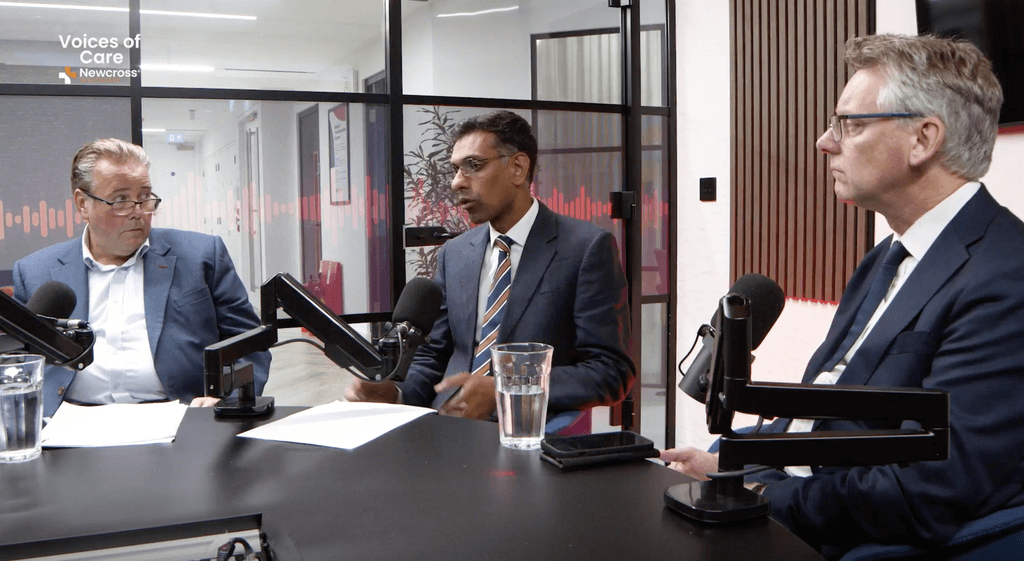
CQC, GMC and NHS Race & Health Observatory leaders deliver stark assessment on workforce inequalities and share vision that now is the time to end this unacceptable reality to support the people of the NHS, productivity and ultimately patients.
Three of healthcare's nationally known and respected leaders have joined forces to call out the unacceptable levels of racism still faced by the NHS workforce a decade after the Workforce Race Equality Standard (WRES) came into force, highlighting the need for everyone in the sector to take personal and collective responsibility to stamp out racism. They called for transformation in culture, fairer employment environments and a step change in the leadership approach to racism.
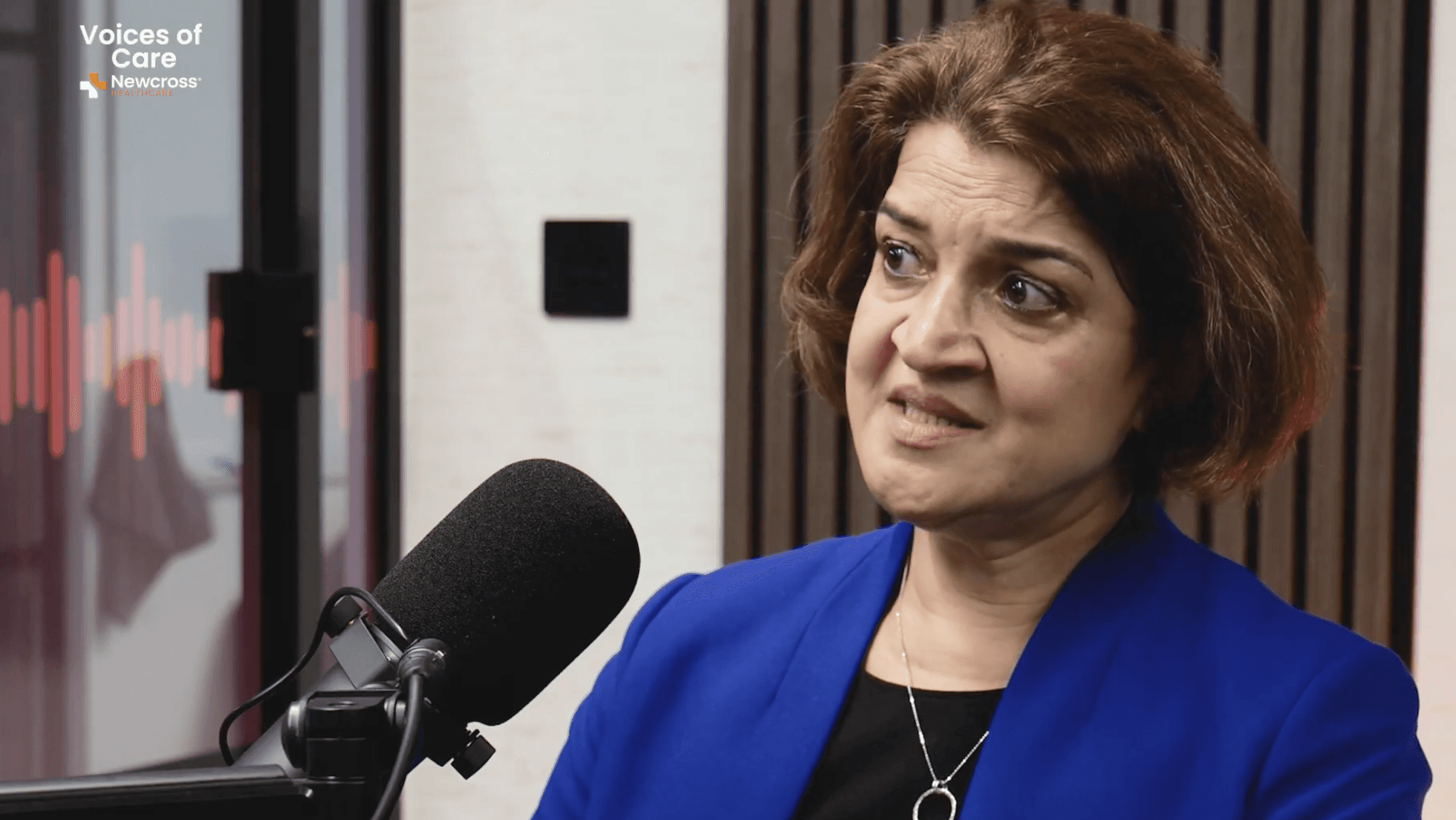
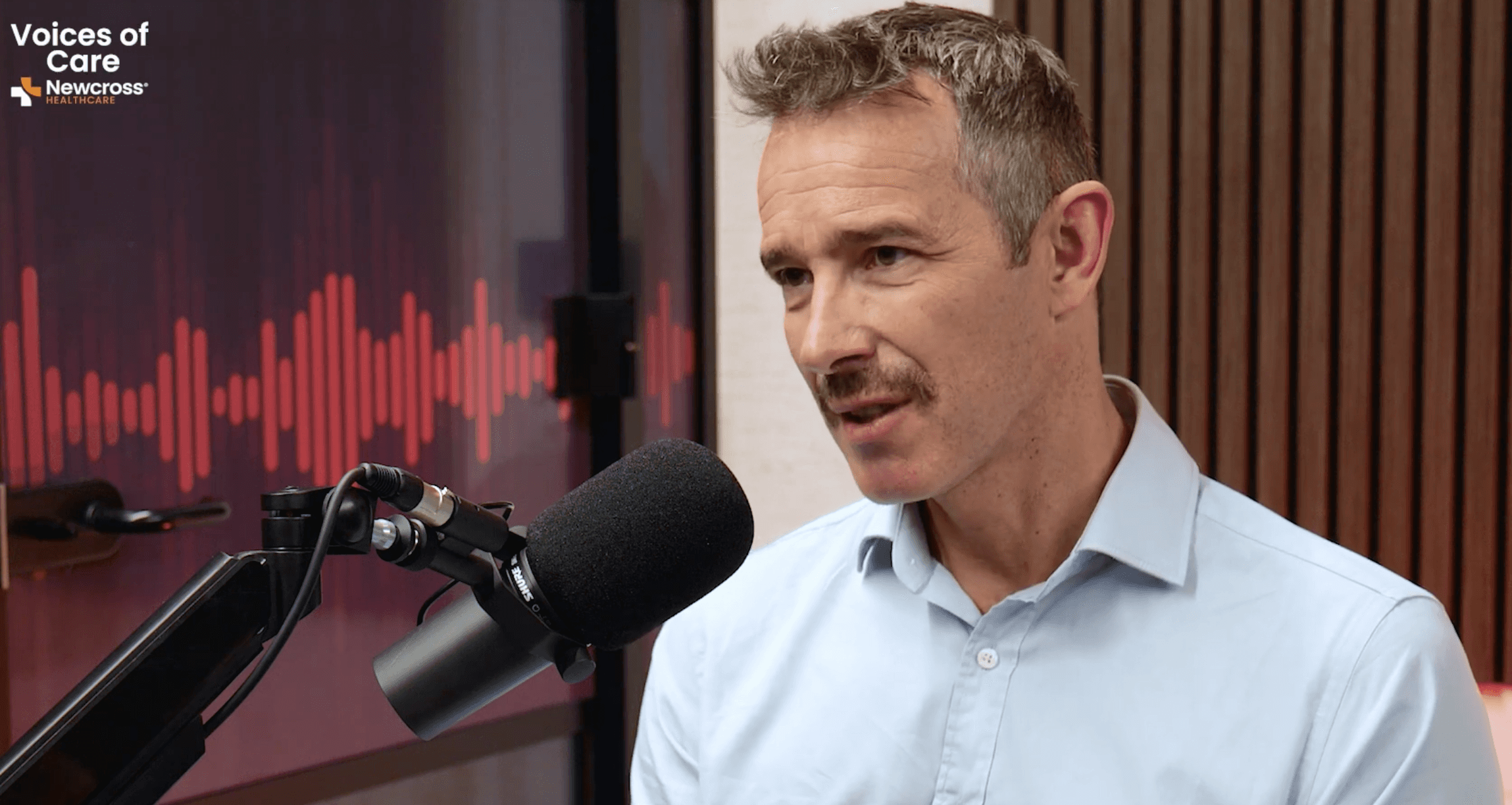
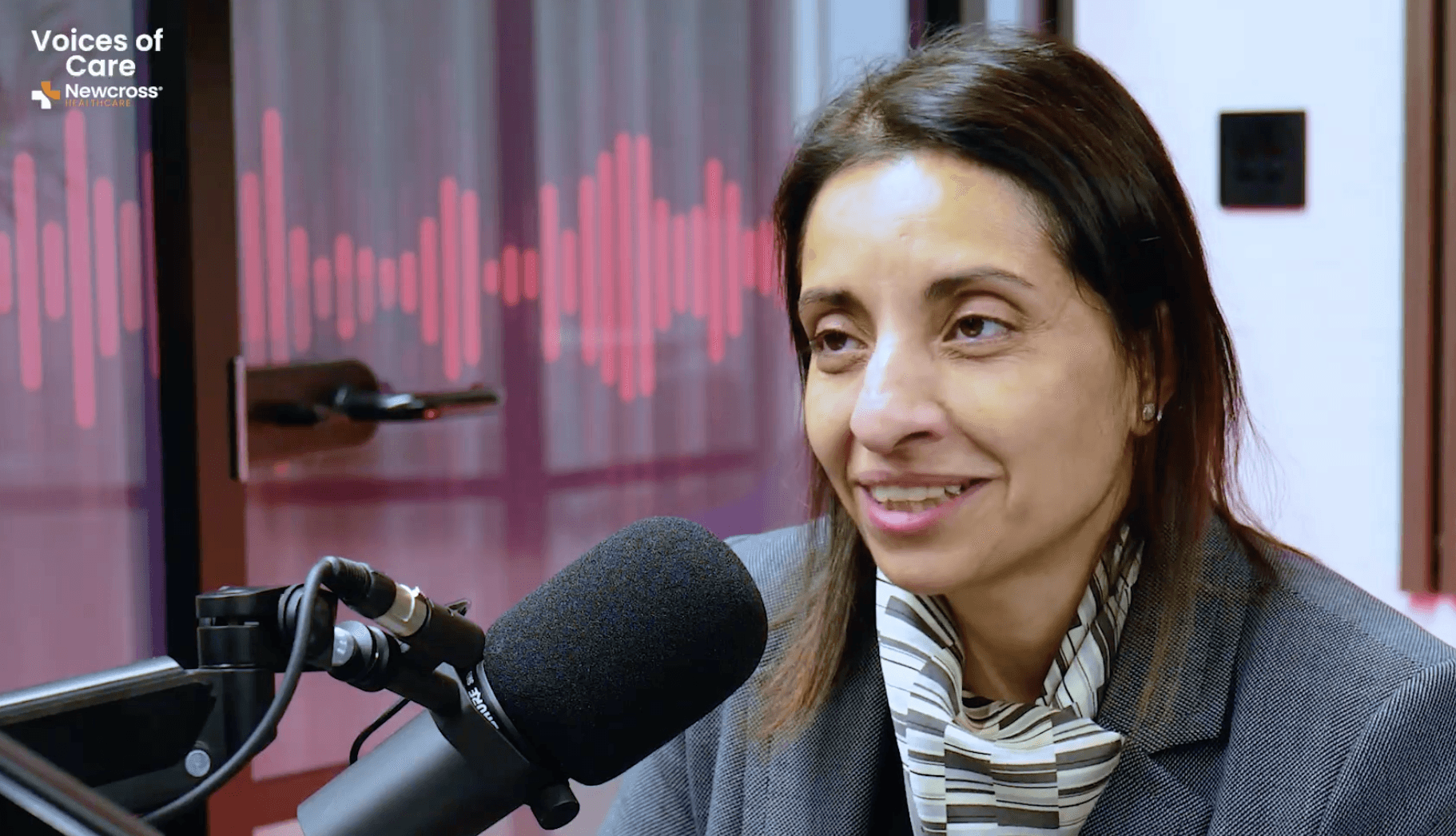
Speaking on Newcross Healthcare's Voices of Care podcast, Sir Julian Hartley (CEO, CQC), Professor Habib Naqvi (CEO, NHS Race & Health Observatory) and Mr Charlie Massey (Chief Executive and Registrar, GMC) called for urgent action. Mr Massey described the current situation as 'shameful,' while Professor Naqvi outlined the economically devastating financial costs. All three saw the NHS 10 Year Plan as a potential watershed moment to make true health equity a feature of the NHS workforce.
Sir Julian Hartley outlined the unique gathering of regulators over the summer to address this pressing issue: “we wanted to understand how discrimination, both in the system and between people affect staff. And the best way to stop this unfairness by using, regulation.” We wanted to begin by understanding what the data is telling us.
NHS "NOT READY" FOR ITS OWN WORKFORCE
Professor Naqvi outlined that the NHS workforce is more diverse today than at any other point in its history, but he also shared data that paints a damning picture of the current state of play. "The healthcare system must be ready for that level of diversity. The data tells us that it's not" - a brutal assessment of an organisation that employs over 1.6 million people, with "one in every three" now from ethnic minority backgrounds.
The statistics expose a system in crisis: ethnic minority staff face harassment and discrimination at twice the rate of white colleagues, and Professor Naqvi noted they are "more likely to go through a formal disciplinary process", while "leadership representation remains problematic" – actually getting worse since 2021 despite diversity initiatives.
THE DANGEROUS MYTHOLOGY OF "UK-TRAINED IS BETTER"
When discussing the medical workforce, Mr Massey raised concerns about the emerging narrative around UK-trained versus overseas-trained doctors. With "over 40% of doctors who registered with us trained overseas", he cautioned that "there is a danger that we send a signal that somehow doctors who've trained overseas are less welcome, that they're not valued."
This creates what he called a dangerous dynamic and “much shorter-term risk...if doctors don't feel welcome. Remember, these are doctors who have moved countries to work before, they're very able to vote with their feet and leave the UK."
The implications are clear – if policy and practice do alienate the workforce keeping the NHS alive the country risks an exodus of vital clinician expertise.
THE £BILLION COST OF INACTION
Professor Naqvi outlined the devastating financial impact of the racism revealed by the data, explaining that billions of pounds are wasted in the NHS on avoidable costs stemming from patient and staff inequalities.
RECOMMENDATIONS INCLUDE RE-IMAGINING OF LEADERSHIP AND CULTURE
The healthcare leaders recommended a real transformation in the culture of the NHS and move to fairer more inclusive workplaces which would allow flourishing and freedom for people suffering racism to be confident of raising concerns. Mr Massey highlighted the importance that using data more effectively will be vital to drive accountability in this area when regulators judge performance.
Professor Naqvi and Sir Julian Hartley each recognised the importance of taking a specific Anti-Racism stance across the NHS and the former added “I’m delighted that the CQC have adopted the 7 Principles of Anti-Racism from the Race and Health Observatory”.
Sir Julian Hartley highlighted the imperative for leaders and leadership training to be imbued with this commitment to health equity.
CQC TRANSFORMATION AGENDA
Sir Julian Hartley used the platform to outline CQC's transformation plans as the regulator recovers its reputation: "I've been really heartened by the extent to which our valued staff in CQC are all determined to really drive that patient-centered agenda." He confirmed that "we've reframed our purpose as a regulator" with "a responsibility to support improvement."
The regulator has four new chief inspectors and Hartley emphasised that "I'm delighted with the quality, and the diversity of that senior level leadership" – a clear signal of intent.
GLOBAL CHALLENGE REQUIRES SYSTEM-WIDE RESPONSE
Professor Naqvi contextualised the challenge facing the UK healthcare system: "Racism is a global, system wide challenge that requires a global, system wide response." He stressed that "The NHS and health care system is a microcosm of what happens in wider society" and that "the NHS has a role to play in tackling inequality, but it cannot be the only enabler."
10-YEAR PLAN: “A MASSIVE OPPORTUNITY”?
These leaders from the regulatory bodies were unanimous that the NHS 10-Year Plan represents a critical juncture in the imperative to tackle racism head on and make a real difference in the lived experience of all stakeholders in the NHS. Mr Massey stated: "We all need to see the 10-Year plan as a massive opportunity to make progress on this agenda" while highlighting that "it isn't just because it should be a moral imperative – and it absolutely should – but also because it is so fundamental to productivity".
However, he warned of "a backdrop of significant cost pressures" where there is a danger that “this agenda can fail and be seen as a nice to have, rather than absolutely essential underpinning to all of our ambitions."
VISION FOR 2035: WHAT SUCCESS LOOKS LIKE
Looking ahead, Hartley painted a vision of transformation of what we could see if race equity is truly placed front and centre of policy: "a system where we are just much more compassionate and kind to one another, as co-workers, as colleagues, and that we don't fear or act defensively when we're presented with clear evidence about inequalities."
Professor Naqvi asked the fundamental question: "what kind of society do we want to live in? It needs to be a society where, people are able to engage with each other, to celebrate their differences."
CROSS-REGULATORY COLLABORATION
The podcast highlighted the innovative energy and drive bringing major healthcare regulators together to publicly address workforce racism, building on existing work by these regulators. Mr Massey emphasised the significance: "if we do all of those things together with a common purpose, with a common set of principles underpinning them, we have the real power to effect change."
END
The Voices of Care podcast, hosted by Suhail Mirza, continues to provide a platform for sector leaders to address critical issues facing health and social care across the UK.
Contact: Newcross Healthcare – Omar Eissa, Marketing Manager
omar.eissa@newcrosshealthcare.com
About the Voice of Care Podcast
The Voices of Care podcast, a Newcross Healthcare production hosted by Suhail Mirza, offers candid conversations with key figures in health and social care. Created to give a platform to those shaping the future of care, the podcast explores the biggest challenges facing the sector while spotlighting inspiring stories of innovation and leadership.
About Newcross Healthcare
Newcross Healthcare is one of the UK's leading providers of social and health care services, both within the community and through healthcare staffing. With an extensive network of over 165,000 registered healthcare professionals and nearly three decades of expert experience, Newcross delivers high-quality care solutions that meet the diverse needs of patients and communities.
For more information, visit www.newcrosshealthcare.com